Sunday, October 11, 2015

Trip to Europe, September 2015, Gdynia, Driving in Poland

Gdynia is a major port in the Baltic Sea. Some work was still going on at night when we arrived from Karlskrona.


I need to say a few things about driving in Poland. It is getting easier and faster, thanks to many new motorways, here from Gdańsk to Warsaw.


There are wild-life crossings, sound barriers and some of the bridges are pretty:


But, and this is a big but, the attitude of Polish drivers makes driving in Poland still a very dangerous and stressful affair, especially on country roads. I often felt that the speed posted on the road signs was the minimum speed limit, not the maximum. Only when there was a photo-radar the drivers would slow down to the legal speed. The worst offenders are big black Audi and BMW cars. Is there something in those brands and this colour that attracts the most aggressive people?

This encounter did not happen to me, but it could have. Warning, the audio in Polish contains expletives, mute when watching in public:


It is not just the drivers. The roads themselves make driving dangerous. There are too many road signs, and sometimes too few road signs. On a few occasions I had no idea what the current speed limit was. Maybe 50, maybe 90 or on a new motorway maybe 100, or 120, or maybe 140 km/h. They are often not posted, you are required to figure them out yourself. The speed limit changes at night and also depends on how many lanes there are. Also, Poland together with Bulgaria and Texas has the highest legal speed limit in the world: 140 km/h. Germany does not have a speed limit on motorways, only the recommended speed of 130 km/h. This is the sign that describes speed limits when you enter Poland by car:


When driving at night, you will notice that the horizontal signs - those painted on the road - are not visible. Why is the reflective paint not being used?

One thing that Poland needs to work on as a country is the friendliness factor. There are still too many angry, mean, unhelpful people there ("cham" in Polish, pronounced roughly same as "ham" in British English): the drivers of course, the security guards, including the Warsaw Chopin airport, the ticket controllers on trams and buses. It seems like respect and kindness towards others are not high priorities for many people in these roles.

Another thing is petty-theft and permissible attitude towards some forms of cheating. I left my car at the official Modlin airport long-term parking. When I returned I paid the parking fee, 40 zł to the attendant. To my surprise the attendant pocketed the money, did not give me a receipt, and let me out of the parking lot by opening the boom gate this way: he took the boom gate's post side cover off, turned the power off, and then raised the gate by hand. It seems that he stole 40 zł from his employer, or if he is the owner, he underreported the income to the tax authorities by 40 zł, but that probably would not be worth it.

Cheating during exams is unfortunately still the norm. I wonder how good the PISA results of the Polish students really are. If the students are not supervised well enough, cheating will happen.

Opportunism is human nature, but there should be better systems in place to make the playing ground fair for everyone, and cheaters should be ostracised.

Next, more Poland...


Trip to Europe, September 2015, Jönköping, Karlskrona


Traditional homes in Sweden often look like these. The reason for the preference for the dark red colour, known in Sweden as Falu red, is that it was easy to make it using a waste product from copper mines. This waste product contained iron, hence the red colour.


I like trains. This one was in Jönköping.


You most likely never heard of Jönköping, but maybe you know the name Husqvarna - the company that makes chainsaws, tractors, and robotic lawn mowers - they originated and still have a factory in Huskvarna (name of the place changed slightly), which is part of Jönköping now.

Sweden must be number one in international rankings in the number of global brands per capita. For a country with 9.5 million people, it seems like every business that ever started in Sweden is known internationally. I know these, but there are many more: IKEA, Volvo, Saab, Scania, ABB, Oriflame, Nordea, Electrolux, Skanska, H&M, Husqvarna, Absolut Vodka.

I finish this short exploration of Sweden in Karlskrona, which has a ferry connection with Gdynia in Poland. A more modern and typical for European cities, architecture of Karlskrona:


Sweden makes its own submarines, obviously :-), and Karlskrona is home to a great maritime museum that houses two. Here is the nose section of one of them, Neptun:


Time to get on a ferry to Gdynia...


Friday, October 2, 2015

Trip to Europe, September 2015, Malmö, Copenhagen

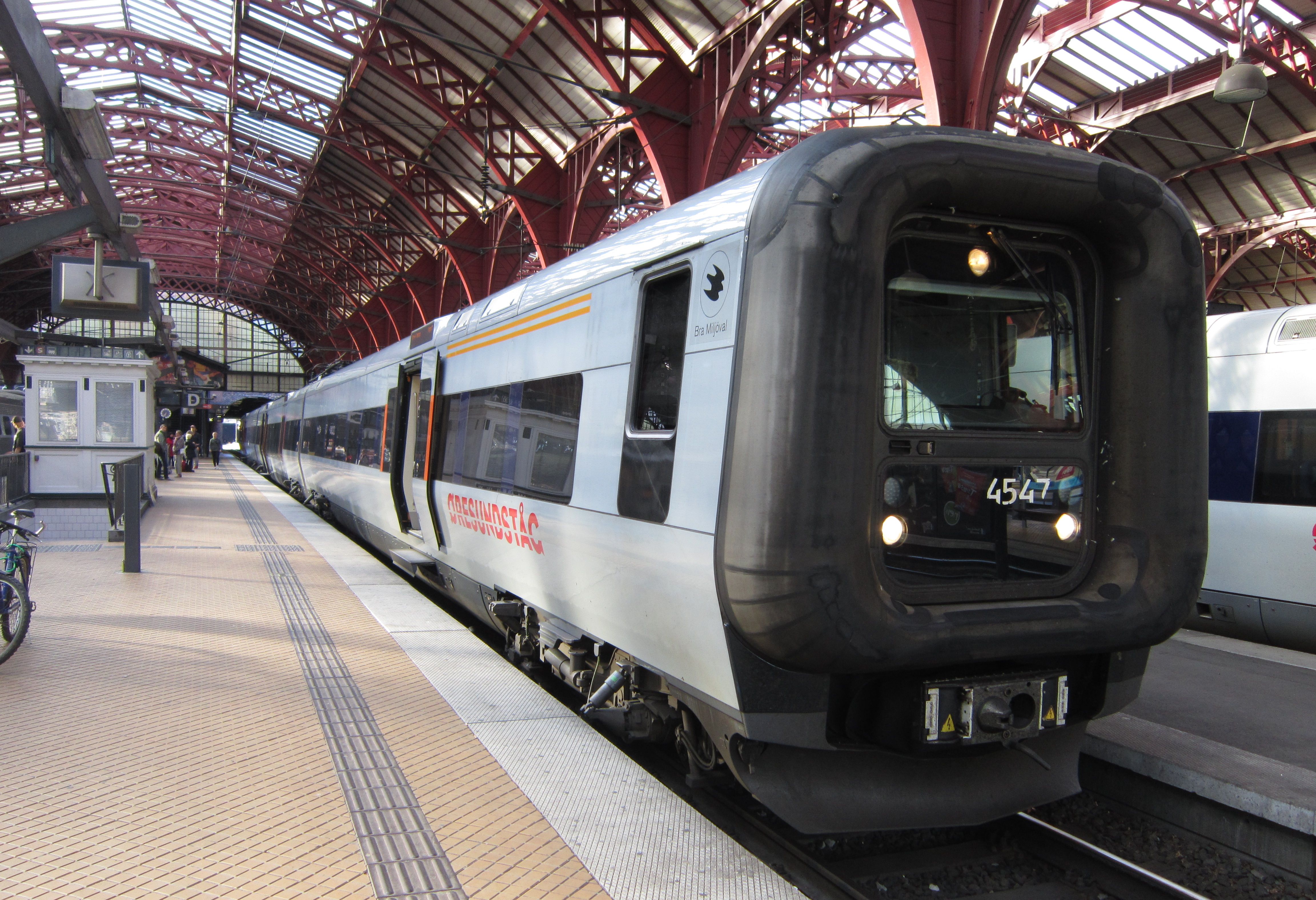
Copenhagen in Denmark and Malmö in Sweden are connected by the Oresund bridge. You can drive or take a train. It takes about 35 minutes to get from the center of Malmo to the center of Copenhagen, and only 22 minutes to get from Malmo to the Copenhagen airport.

While at the Malmo train station we had an up-close encounter with the refugee/migrant problem that is the topic number 1 in Europe currently. There were volunteers/helpers (?) with signs in Arabic, a TV crew, and some refugees/migrants. Why do refugees prefer Sweden to Denmark?

These are not the trains that take you to Copenhagen.

This one is:

It seems Danes have a sense of humor and are not afraid to use expletives in public. These advertisements were all over Copenhagen:


The boat tours of the city start from here. The much cheaper ones take off from the right side of the canal.


Interesting architecture can be seen from the boat:


Fancy a courtyard with steps into the canal?


Next, back to Sweden...

Trip to Europe, September 2015, Ystad, Malmö

Driving from Ystad to Malmo is safer and faster thanks to cleverly designed 3 lane roads with a metal wire barrier. The number of lanes in one direction changes from 1 to 2 every few kilometers. This allows easy and safe overtaking of slower vehicles. This design is badly needed in Poland and elsewhere. It does not require much widening of existing country roads, but improves safety and comfort enormously.


Malmö, Sweden: this building reminds me of the Royal Castle in Warsaw. Poland and Sweden were for a short time part of the same kingdom in late 16th century.


Hybrid buses disguised as articulated trams in Malmö.

Old advertisements on a building in the center of Malmö.

Next, a short trip to Copenhagen...

Trip to Europe, September 2015, Vienna, Ystad

I'm back in Australia from a month long trip to Poland (and a few other countries). The trip was educational, but physically and mentally exhausting. I may be getting too old for such trips.

A few highlights:
Vienna, Austria: there are many beautiful streets and buildings in Vienna, but for me the typical old Vienna street looks like this. No trees to soften the asphalt and concrete view. The view of the sky is so narrow that even if there were any landmarks, to help orientate in the labyrinth of 5-story buildings, they would probably be rarely visible. I kept getting lost walking these streets "on azimuth".


A less common view of the famous Hundertwasser house in Vienna with a bit of its neighbour on the left.


Ystad, Sweden: a beautiful little city that has a ferry service to Świnoujście, Poland.

These small houses in Ystad reminded me of Ireland:


To be continued...

Tuesday, August 25, 2015

Fighting Passports

I was thinking about passports from various countries yesterday and I noticed a funny thing. Some countries have "fighting" or "warrior" emblems on passports, others not so much. I wonder if there is any correlation between the symbols of the country and how its citizens see themselves, or how would they react if their country was attacked.

Some "fighting passports":

U.S.A:
An eagle with an olive branch and a bunch of arrows. Your choice punk.


Russia:

An eagle with two heads and a mace in one leg - does it say: do not mess with me? I think it does.

Less aggressive, but still showing muscle:

Poland:

An eagle with massive talons, not little "hands".
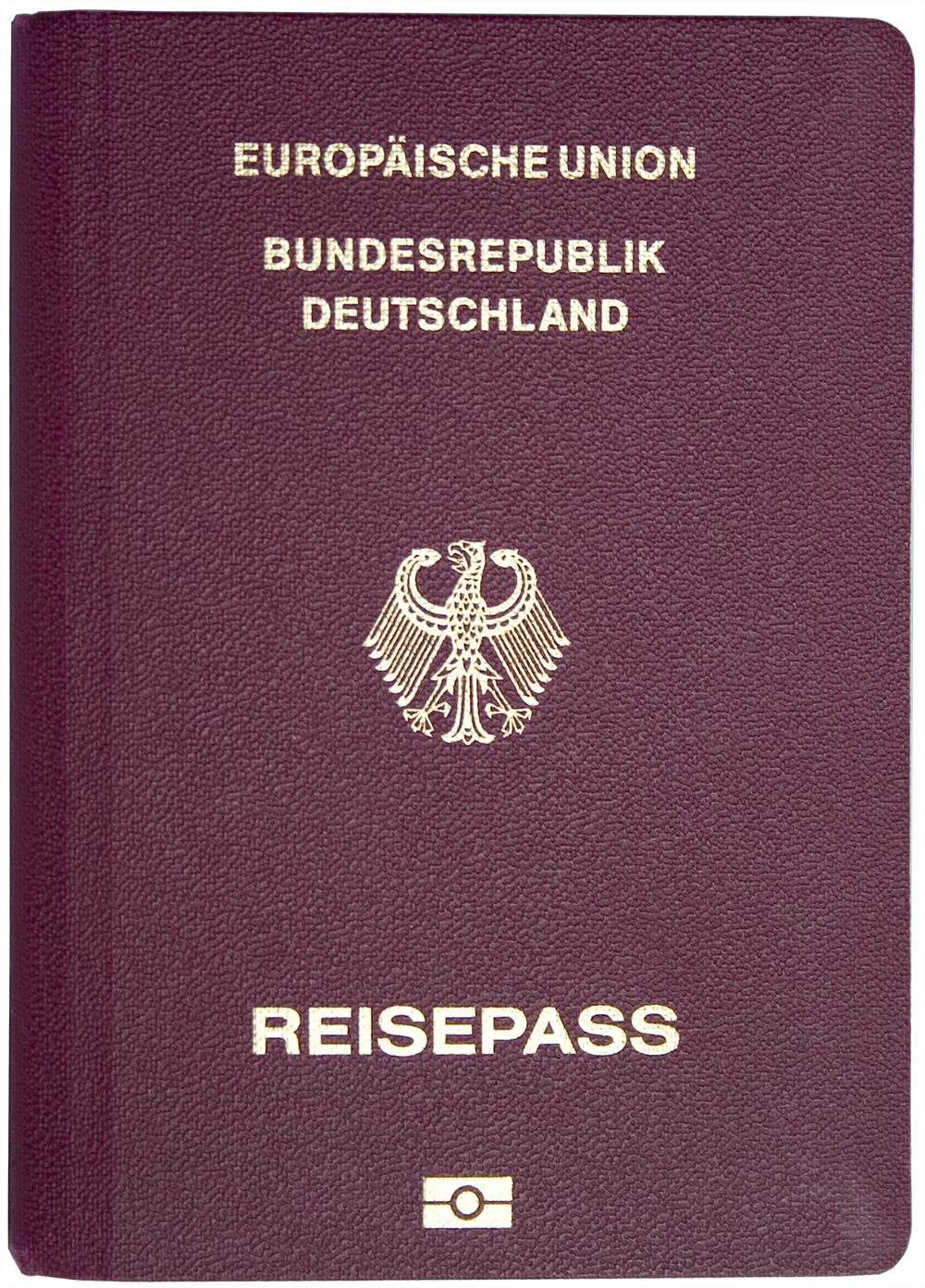
Germany:
Still an eagle, but smaller - Germany is a pacifist country now.

Not aggressive at all:

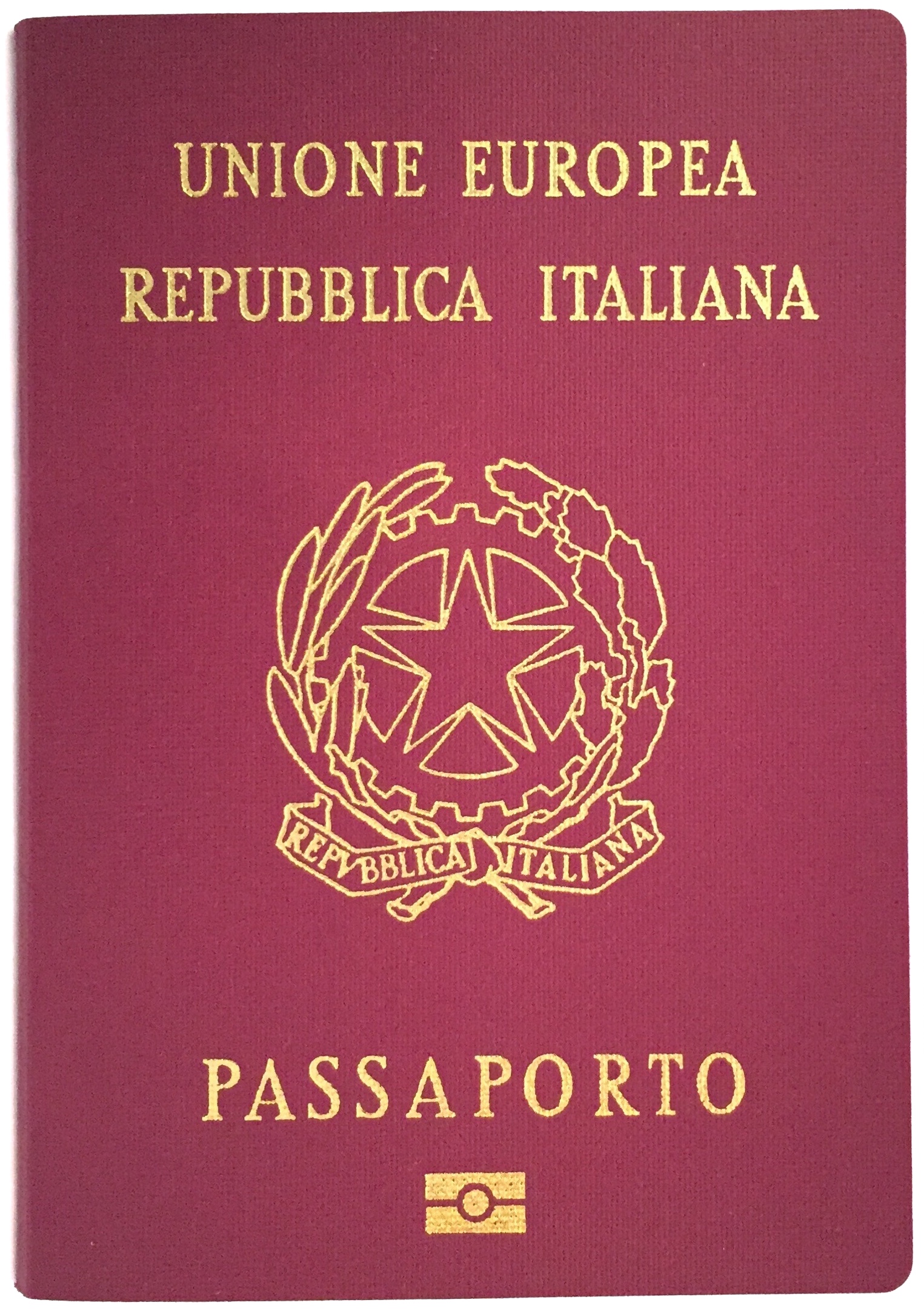
Italy:
Leaves, gear, and a star - look like a communist emblem. Not scary in itself.

France:


A rolling pin and a little axe - kitchen tools. :-)

Monday, August 10, 2015

Mackay

Mackay is about 1000km north of Gold Coast. Jetstar flies there, so off we went.

South Mackay in the distance and left, North and West Mackay in the front.

The city is currently experiencing economic downturn, but being there I get a feeling that this is not the first time it happened.
One million dollar apartments - never built.

Extra wide streets - hardly used.

Somebody lives here.
But there is opulence too:
The harbour

Horse racing on the beach
There are also beautiful old buildings, sometimes obscured by too wide streets with omnipresent cars, or by the much needed revitalisation works:

Erected 1890

Town Hall 1912

Art Deco Hotel Mackay, 1940
"There was a construction boom in the early 20th Century due to a series of unrelated events which combined to transform the appearance of the city. These included: • the fires in 1915 and 1916 which destroyed many shops in Victoria Street • the devastating cyclone in 1918 which destroyed 80 per cent of the buildings in the city • a policy of the council at the time to replace all timber commercial premises with masonry structures for safety reasons • a population explosion that made Mackay the second fastest growing city in Queensland for more than a decade • the economy of the city was made buoyant by steady sugar prices and co-operatively owned sugar mills which led to money being retained within the community. " 
Source: Art Deco in Mackay

Erected 1887

Another beautiful Art Deco building

Bank, erected 1922

Currently AusWide Bank, 1942

City Court

The River St mural is a new initiative to show history of the city and the region through art:

From aborigines and the city founder Captain John Mackay

Through the early history


Many nationalities settled in Mackay

Dzień dobry

Self-portrait


 Other interesting places in Mackay:

Rest rooms park - closed on Sunday

"Unreal" plant in the restroom park
The beach in South Mackay during low tide

Same beach

The reason why the beach is devoid of people?